
Why Clean, Healthy Fluid Keeps Your Brakes Working Safely
Brake fluid plays a key role in how your car stops. It carries force from your foot on the pedal to the brake parts at each wheel. Without clean brake fluid at the right level, your car may not stop the way it should. When people schedule brake repair, the fluid is often a big part of the job. Old or dirty fluid can lead to weak braking, longer stopping time, and damage to other parts.
What You Need to Know Before Checking Brake Fluid
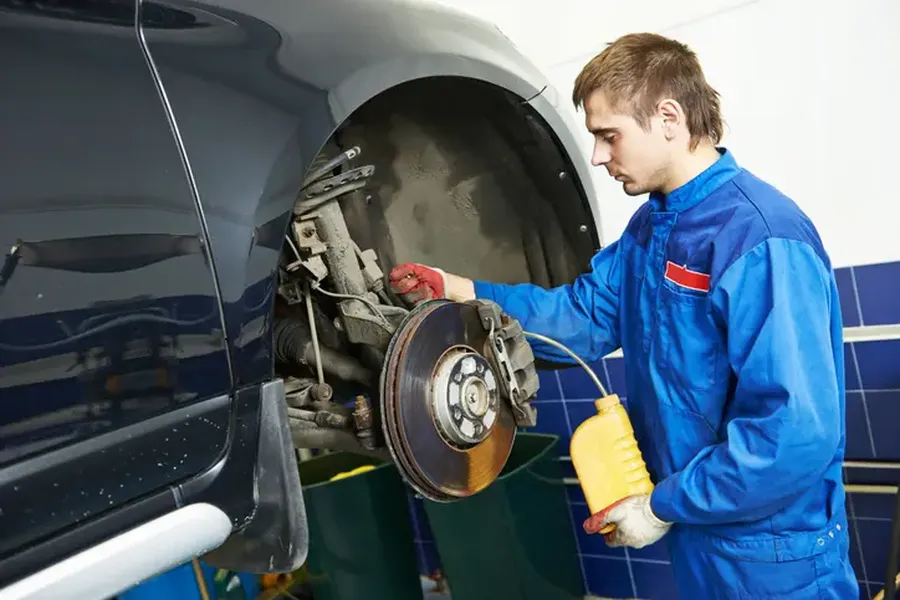
Before you check or change brake fluid, you need a few basic items. You also need to know where the brake fluid reservoir is under your hood. Most cars have a clear plastic tank near the back of the engine area.
- Your vehicle owner’s manual
- The correct type of brake fluid (DOT 3, DOT 4, or DOT 5.1 in most cases)
- Clean rags or shop towels
- Safety gloves and eye protection
Never mix the wrong type of fluid into your system. Using the wrong kind can damage seals and lines. If you are not sure what your car needs, check the manual or ask a brake repair technician.
Step-by-Step: How Brake Fluid Affects Repairs
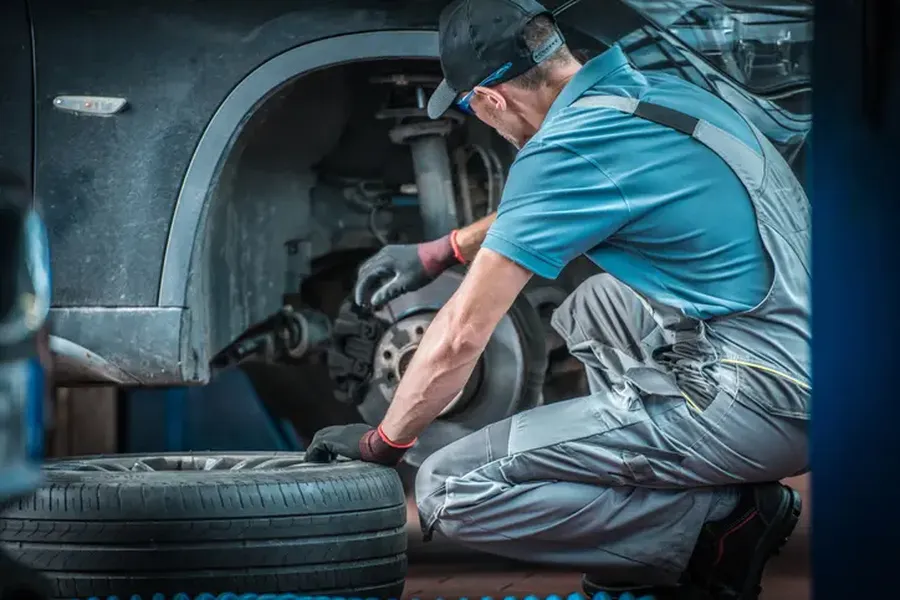
Brake fluid does more than sit in a tank. It works under high heat and pressure every time you stop. Here is how it connects to the repair process:
- You press the brake pedal.
- The brake fluid moves through brake lines.
- Pressure builds and pushes the brake pads against the rotors.
- Your car slows down and stops.
If the fluid is low, has air in it, or has absorbed moisture, this chain of events does not work well. The pedal may feel soft. You may need to push it farther down. In some cases, the car may not stop as fast as it should.
During brake repair, a technician will often check the color and level of the fluid. Fresh brake fluid is usually clear or light yellow. Dark brown or black fluid can mean it is old and full of debris. In that case, a brake fluid flush may be part of the service.
Common Mistakes Drivers Make
Many drivers focus only on pads and rotors. They forget about the fluid. Here are some common mistakes:
- Ignoring a soft or spongy brake pedal
- Never replacing brake fluid for many years
- Topping off fluid without fixing a leak
- Leaving the reservoir cap loose
Brake fluid attracts moisture over time. Water in the system lowers the boiling point of the fluid. When brakes get hot, that trapped moisture can turn into vapor. Vapor does not carry pressure the same way liquid does. This can cause brake fade, where the pedal feels weak after repeated stops.
When to Call a Professional
Some brake fluid checks are simple. Still, many brake issues need proper tools and training. You should call for help if:
- Your brake warning light is on
- You see fluid leaking under your car
- The brake pedal goes close to the floor
- You hear grinding or squealing sounds
Brake systems are sealed and pressurized. Removing air from the lines, called bleeding the brakes, must be done the right way. If air stays in the system, your brakes will not respond like they should. A trained brake repair team can flush old fluid, remove air pockets, and check for worn parts at the same time.
Taking care of brake fluid also protects other parts. Moisture and dirt can rust metal lines and damage the master cylinder. Replacing those parts costs much more than a simple fluid service. Keeping up with fluid changes can save money and reduce stress.
Our Recommendation for Safe, Reliable Braking
If your brakes feel different or it has been more than two years since your last fluid check, it may be time for service. In Brentwood, CA, changing weather and daily driving can add wear to your braking system. At Bermudez's Auto Services & Repair, we inspect brake fluid, lines, pads, and rotors during every brake repair visit. We focus on keeping your vehicle safe and dependable on the road. Call us at (925) 240-5466 to schedule an appointment and let us help you stay confident every time you press the brake pedal.