
What Happens When a Mechanic Checks Your Check Engine Light
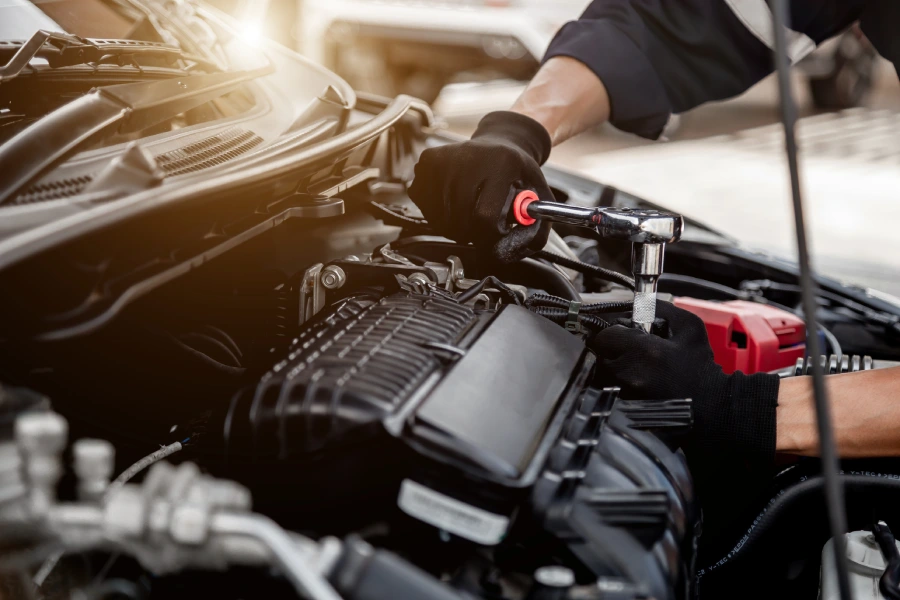
An engine diagnostic at an auto shop is a step-by-step process where a technician scans your car’s computer, checks trouble codes, and tests parts to find the exact cause of a problem. It is the first and most important step before any engine repair begins. Instead of guessing, the shop uses tools and testing methods to pinpoint what is wrong with your vehicle.
What You Need to Know Before a Diagnostic Test
Modern cars have onboard computers. When something goes wrong, the system stores a trouble code. This often turns on the check engine light. The light does not tell you the exact problem. It only tells you that the system found an issue.
Before you visit a shop, try to notice:
- Is the car shaking or running rough?
- Do you hear knocking or ticking sounds?
- Is there smoke from the exhaust?
- Did your gas mileage suddenly drop?
These details help the technician narrow things down faster. Clear information can shorten the time needed for engine repair and save you money.
Step-by-Step: How the Engine Diagnostic Process Works
Most professional auto shops follow a similar process. Here is what usually happens:
- Initial scan: The technician plugs a scan tool into your vehicle’s OBD-II port. This tool reads stored trouble codes.
- Code review: The codes point to a system problem, not always a failed part. For example, a code may show an oxygen sensor issue, but the true cause could be a vacuum leak.
- Visual inspection: The technician checks hoses, wires, belts, and connectors for damage or loose parts.
- Component testing: Specific parts are tested using tools like multimeters or pressure gauges. Fuel pressure, spark strength, and sensor signals may be measured.
- Data analysis: Live data from the engine is reviewed while the car is running. This helps confirm what is working and what is not.
- Diagnosis and estimate: Once the root cause is found, the shop explains the needed engine repair and provides a repair plan.
This careful process helps avoid replacing good parts. It focuses on fixing the actual issue instead of guessing.
Common Mistakes to Avoid
Many vehicle owners make simple mistakes when the check engine light turns on.
- Ignoring the light for weeks or months.
- Buying parts based only on the code.
- Clearing the code without fixing the issue.
- Assuming the problem is minor without testing.
A trouble code is only a starting point. For example, a misfire code might seem like bad spark plugs. But the real issue could be a fuel injector problem or low compression. Replacing parts without testing often leads to higher engine repair costs later.
When to Call a Professional Auto Shop
Some minor tasks, like tightening a loose gas cap, can be done at home. But most engine problems need professional tools and training.
You should schedule a diagnostic test if:
- The check engine light is flashing.
- Your engine stalls or struggles to start.
- You smell fuel inside or outside the car.
- The vehicle loses power while driving.
A flashing check engine light can mean a serious misfire. Driving too long in this condition may damage the catalytic converter. That can turn a small fix into a very expensive engine repair.
Auto shops also keep up with new vehicle models and software updates. Modern cars are complex. Sensors, control modules, and wiring systems all work together. Accurate testing protects your vehicle and your wallet.
Why a Proper Diagnosis Matters Before Engine Repair
Skipping diagnostics can lead to repeat problems. A clear and accurate diagnosis allows the technician to fix the root cause the first time. It also helps plan any related engine repair that might be needed soon.
For example, if a timing issue is found early, you may avoid major engine damage. If oil leaks are caught during inspection, seals can be replaced before parts wear out. Small issues caught early often cost less to fix.
A good diagnostic process is not just about reading codes. It is about testing, verifying, and confirming. That extra effort makes a big difference in performance and reliability.
Schedule a Professional Diagnostic Check
If your vehicle is showing warning signs in Brentwood, CA, we are ready to help. At Bermudez's Auto Services & Repair, we use advanced scan tools and hands-on testing to find the real source of engine trouble. We take the time to explain what we find and walk you through your engine repair options. Call us at (925) 240-5466 to book a diagnostic appointment and let us get your car running smoothly again.