
Hot, Cold, Wet, and Icy Conditions Can Change How Your Brakes Stop Your Car
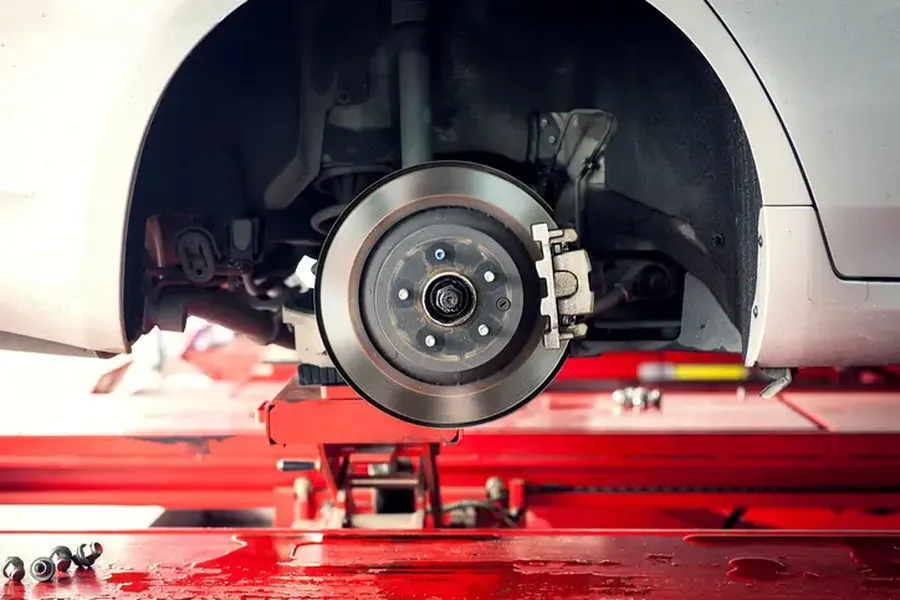
Weather has a direct effect on how your brakes feel, sound, and perform. Heat can wear parts out faster. Cold can make brake parts stiff and slow to respond. Rain and snow can reduce stopping power and cause rust. Over time, these changes can lead to more frequent brake repair needs. If you live in an area with big weather swings, your braking system works even harder all year long.
Why Prevention Matters
Your brakes are one of the most used systems in your car. Every stop sign, red light, and traffic jam puts stress on them. When weather adds extra strain, small issues can grow fast. A thin brake pad in summer may wear down twice as fast during a heat wave. Light surface rust in winter can turn into deep corrosion by spring. Staying ahead of problems helps you avoid sudden brake repair and unsafe driving situations.
Early Warning Signs
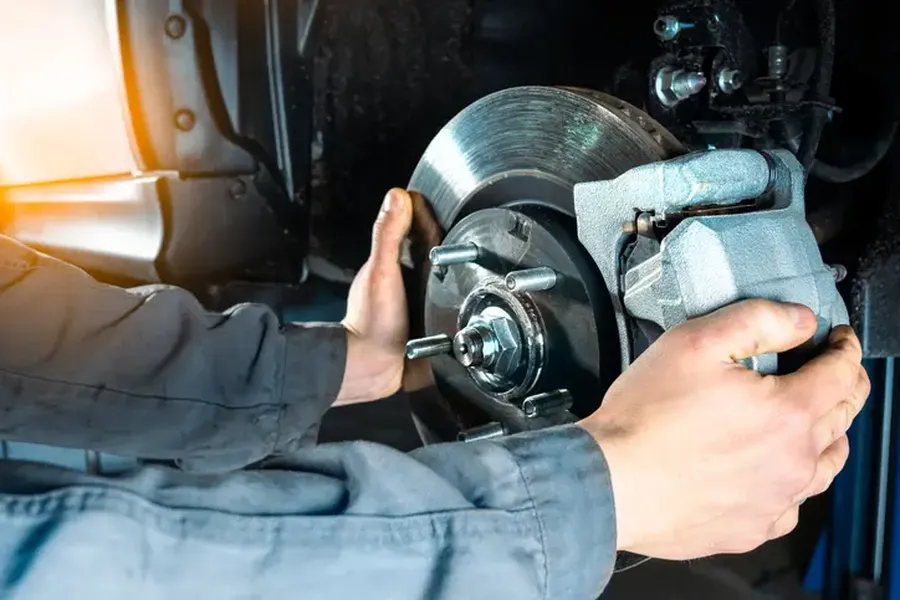
Changes in weather often make brake problems show up more clearly. Pay attention to how your car feels after a cold night or heavy rain.
- Squeaking or grinding sounds
- A soft or spongy brake pedal
- Steering wheel shaking when stopping
- Longer stopping distances
- A burning smell after driving downhill
Cold weather can cause brake fluid to thicken, which may change pedal feel. Wet roads can leave moisture on rotors, leading to temporary rust and noise. If these signs last more than a day, it may be time for a brake inspection.
Seasonal Checklist for Your Brakes
Each season brings different stress to your braking system. A simple routine check can lower your risk of expensive brake repair.
- Before summer: Have brake pads and rotors checked for wear. High heat increases friction and speeds up pad wear.
- During extreme heat: Avoid riding your brakes downhill. Use lower gears to control speed.
- Before winter: Test your battery and brake fluid. Cold temperatures affect fluid pressure and response time.
- After snow or ice storms: Rinse the underside of your car to remove road salt that can cause corrosion.
- During rainy seasons: Listen for grinding or scraping that may point to rust buildup.
Salt and moisture are hard on metal parts. Rotors can rust quickly in freezing weather. Rubber brake lines can also become brittle after long exposure to cold air.
Best Practices for Long-Term Results
Simple driving habits make a big difference. Try to brake smoothly instead of slamming the pedal. Keep a safe distance so you are not forced into hard stops. Avoid overloading your vehicle, since extra weight puts more pressure on brake pads and rotors.
Regular inspections are also key. Most drivers benefit from a brake check at least once a year. In areas with harsh winters or very hot summers, twice a year may be better. Routine brake repair is often less costly than replacing the full braking system after major damage.
What Not to Do
Many drivers ignore early signs because the problem seems small. That can be risky. Do not assume squeaking will go away on its own. Do not spray water on hot brakes to cool them down. Rapid cooling can warp rotors. Avoid waiting until your brake pedal goes all the way to the floor before taking action.
Another common mistake is putting off service during mild weather. Some people wait until winter or summer to deal with brake repair. By then, weather may already have made the damage worse.
When to Schedule Professional Help
You should book a professional brake check if you notice vibration, warning lights, fluid leaks, or ongoing noise. Drivers in Brentwood, CA may face heavy rain, heat waves, or freezing temperatures that speed up wear. A trained technician can measure pad thickness, check rotor condition, and test brake fluid for moisture.
If your car pulls to one side when stopping or makes loud grinding sounds, do not wait. Those signs can mean metal-on-metal contact. That type of damage often leads to more complex brake repair and higher costs.
Protect Your Brakes Year-Round
Weather will always affect how your vehicle stops, but routine care keeps problems small. At Bermudez's Auto Services & Repair, we help drivers stay safe through every season. Our team works on vehicles throughout the area and sees how local weather patterns impact braking systems. If you have noticed changes in how your car stops in Brentwood, CA, call (925) 240-5466 to schedule a brake check. We are ready to inspect your system, make needed repairs, and help you drive with confidence.